Safe Brain Exercises for Stroke Survivors at Home


Imagine you are sitting in your favorite chair in your living room in Dhaka. You want to tell your daughter that the tea needs a bit more sugar, or you want to remember where you kept your glasses after reading the morning newspaper. But the words feel stuck behind a heavy curtain, and the memory feels like a faded photograph.
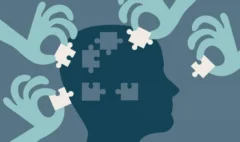
After a stroke, the world can suddenly feel like a puzzle with missing pieces. Tasks that used to be automatic, like counting change for a rickshaw puller or following the plot of a TV drama, now require immense mental effort. It is frustrating, exhausting, and at times, incredibly lonely.
But here is the most important thing you need to know today: Your brain is not a static machine; it is a living, adapting organ. Through a process called neuroplasticity, the healthy parts of your brain can actually learn to pick up the slack for the areas damaged by the stroke. The key to building these new paths is consistent, gentle, and safe brain exercises performed right in the comfort of your own home.
In fact, clinical research shows that repetitive, task-specific mental training is the most effective way to stimulate these new neural connections and regain lost functions.
Why your brain feels so tired and how to fix it safely
When we talk about what to do after a brain stroke, we often focus on physical therapy, relearning how to walk or grip a cup. But cognitive recovery is just as vital. However, the brain is a high-energy organ, and after a stroke, it tires easily. This is often described as what brain fog feels like: a thick, mental exhaustion that makes even simple thoughts feel heavy.
If you push too hard, you hit a “cognitive wall” where the brain simply stops absorbing new information. That is why brain exercises for elderly survivors and younger patients alike must be paced correctly. It’s not about how much you do in one day; it’s about doing small, meaningful movements that encourage the brain to rewire without causing “neuro-fatigue.”
According to research on cognitive recovery after stroke, pacing your mental energy is just as important as the exercises themselves.
In this guide, we will explore simple, effective, and low-stress ways to sharpen your brain using things you already have at home.
You can heal your brain at home with 3 simple exercises
You don’t need a high-tech lab to start rewiring your brain. Most of the tools you need for recovery are likely already sitting in your kitchen or on your bookshelf; you just need to know how to use them.
1. Household Object Sorting: Focused Memory Training
Sorting everyday items is one of the most effective safe brain exercises you can do at home. It targets “Categorization,” a mental skill that often feels scrambled after a stroke. If you’ve wondered how to exercise your brain without expensive gear, your kitchen drawer is the best place to start.
The Exercise:
- The Setup: Mix a bowl of small items, different coins (1, 2, and 5 Taka), buttons, or dried lentils (daal).
- The Action: Place three empty cups in front of you. Sort the items by color, then by size, and finally by texture.
- The Challenge: Close your eyes and try to identify an item just by feeling it. This is a powerful right-brain exercise that connects touch to thought.

How this changes your day-to-day: This is a high-level brain-sharpening exercise. It forces your mind to use “selective attention”, ignoring the buttons while hunting for coins. These brain exercises help increase the benefits of exercise on the brain by rebuilding the connection between your hands and your head.
2. The Music Recall Method: Stimulating Language Centers
If you have ever wondered how music affects the brain, the answer lies in its ability to spark a “symphony” of neural activity across both hemispheres. While everyday speech is primarily processed in the left hemisphere, music, specifically melody and rhythm, is a whole-brain experience. For stroke survivors who have suffered damage to the left side (often resulting in aphasia or difficulty speaking), music acts as a sophisticated “back door” to communication.
The reason a favorite song can help you find words that feel stuck is due to the brain’s incredible flexibility. When the primary language centers are injured, the brain’s right side, which handles pitch and rhythm, is often still perfectly intact. By “singing” a thought rather than “saying” it, you are essentially rerouting the signal. You are using the healthy right side of your brain to bypass the damaged left side, a process often utilized in professional exercises to improve brain function.
The Exercise:
- The Setup: Play a familiar song, perhaps a classic Rabindra Sangeet or a song you’ve known for years.
- The Action: Hum along first. Once comfortable, try to sing or speak the lyrics of the chorus.
- The Challenge: Have a family member pause the music mid-sentence. Your goal is to “fill in the blank” with the next word or phrase from memory.

The science behind the breakthrough: This is one of the most powerful brain exercises for language recovery. It bypasses damaged communication pathways by engaging the brain’s emotional and rhythmic centers. It is a natural way to boost brain power and memory, while reducing the frustration of “word-finding” difficulties.
3. Visual Puzzles: Rebuilding Spatial Awareness
After a stroke, many survivors experience “spatial neglect,” where the brain ignores one side of the body or struggles to judge distances. Understanding the mechanics of spatial neglect after stroke is the first step toward retraining the eyes and brain to work together again.” If you have been looking for how to exercise your brain to fix this, simple visual puzzles are the answer. These are sophisticated brain exercises for adults that retrain the eyes and brain to work together again.
Visual puzzles work because they require “saccadic eye movements”, quick, simultaneous movements of both eyes in the same direction. When you hunt for a specific shape or color, you are teaching your brain to “look” again. More importantly, when you reach for a puzzle piece across your body, you are performing a “midline crossing” exercise. This encourages the two hemispheres of the brain to talk to each other, improving how the brain functions during daily navigation.

The Exercise:
- The Setup: Use a simple, large-piece jigsaw puzzle or a “hidden object” picture from a magazine or a puzzle book for brain exercise.
- The Action: Scan the image from left to right. Try to find five specific objects (e.g., “find the red cup”).
- The Challenge: Place the puzzle pieces on the side of your body that feels “weaker.” This forces your brain to cross the midline and acknowledge that space.
What’s happening inside your brain: This is a high-impact brain-sharpening exercise. It improves your “visual scanning” and attention to detail. By engaging in these brain exercises, you are coaching your neurons to map out the world around you again. It is a practical exercise to improve brain power that helps with daily tasks like navigating a room.
Know the difference between a good challenge & pushing too hard
Recovery is about quality, not quantity. If you start to feel a brain fart, suddenly forgetting a simple rule, or feeling a surge of irritability, stop immediately. These are signs of neuro-fatigue. Safe recovery means resting for 30 minutes to let your brain “reboot.”
You don’t have to do this alone because we can help you
While these three activities are excellent, safe brain exercises to start your journey, a stroke survivor’s brain needs a more personalized roadmap to reach its full potential. Most people search for free online brain exercises, but recovery is too important to leave to generic apps.
Brain Forward is a pioneer in providing specialized support for neuro-recovery in Bangladesh. They understand why brain stroke occurs and, more importantly, how to navigate the delicate path of rehabilitation. Their 2026 brain gym exercises are specifically calibrated for survivors to ensure progress without the risk of overexertion.
By visiting Brain Forward, you can access structured programs that act as a personal trainer for your mind. They help you move from simply “coping” to true mastery over your cognitive health. Instead of searching for free brain exercise apps, invest in an evidence-based approach that understands your unique brain chemistry.
Stop fighting the “brain fog” and start leading your recovery. Your brain has the potential to heal; it just needs the right coach. Visit Brain Forward today.